I'm a public health professional, a healthcare writer, and a fibroid patient. I've seen healthcare from the bedside, from hospital leadership, and from the exam table.
The Fibroid Files is where all three meet. It's the resource I want every fibroid patient to have before they make a decision.
Every role taught me something about how care really works, and where patients get left out of the conversation.
I started in college as a certified nursing assistant, mostly on memory care units. It was hands-on, personal work, and it shaped everything that came after.
What it taught meCare looks very different from the patient's side of the room.
I earned my B.S. in Health Administration with departmental honors and a minor in aging studies. I also served as president of our gerontology student organization.
What it taught meToo many patients feel invisible in the systems built to serve them.
I built a grant-funded delirium prevention program and recruited and trained its volunteers. The program helped reduce patient falls and restraint use and improve quality scores. Some of those volunteers went on to become physicians, dentists, and nurse practitioners.
I later served as a performance improvement leader and as a network liaison for a clinically integrated physician network.
What it taught meSafety comes from asking the right questions before something goes wrong.
At a community college, I managed a $600,000-a-year direct care program run in partnership with the county.
What it taught meHealth outcomes start long before someone walks into a hospital.
I earned my Master of Public Health from Michigan State University while working in the hospital and managing the direct care program. I also completed a graduate certificate in public health informatics.
What it taught meHow to read research critically and use data to see the bigger picture.
I write B2B and B2C healthcare content for health brands, and I contributed to a professionalism course for allied health students. I've also written for wellness brands, so I know how product claims get made and reviewed.
What it taught meClear information is a patient safety tool.
Everything I've learned now goes into one place: research translated into plain language, questions worth asking, and real stories from people who've been there.
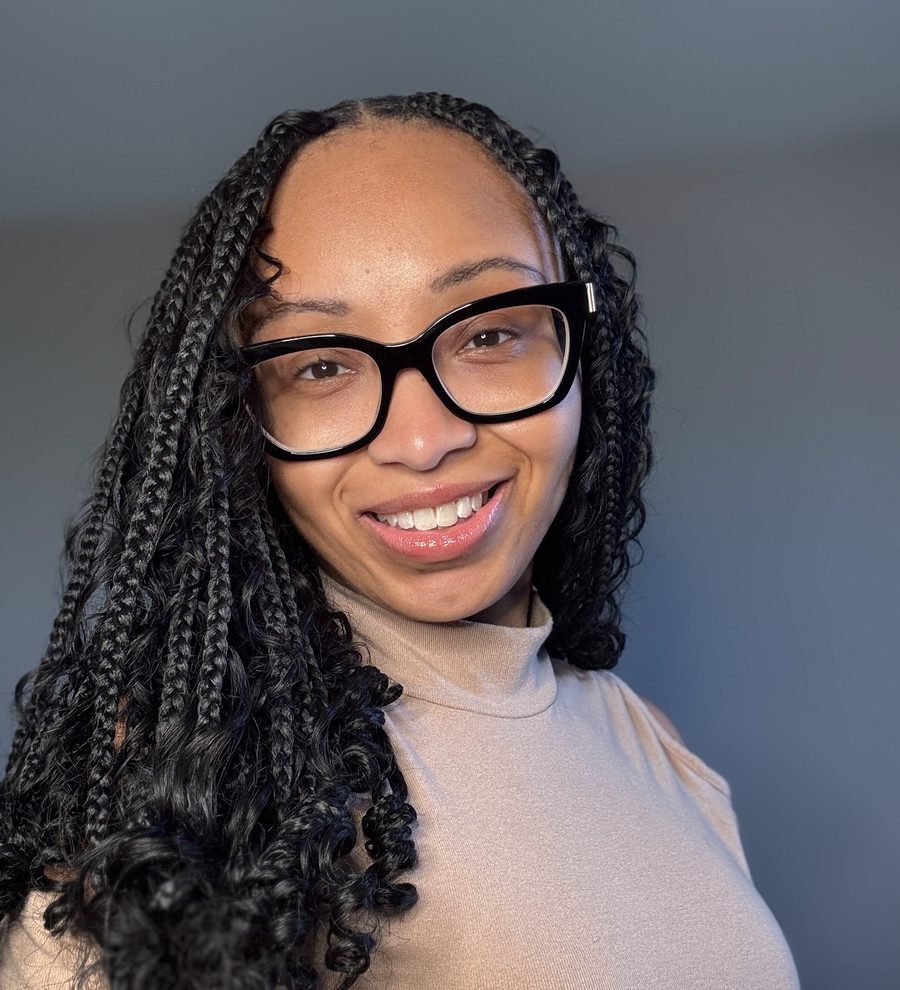
In December 2025, I was diagnosed with uterine fibroids. I'd been dealing with heavy bleeding, low iron and ferritin, and a full, firm feeling in my abdomen.
Imaging found four problematic fibroids. During my robotic-assisted laparoscopic myomectomy, my surgeon ultimately removed six.
By the time they were found, my fibroids were already large and complex. As a public health professional, that stuck with me. My care started at tertiary prevention, managing a problem that had already progressed, instead of catching it earlier.
That gap is a big part of why The Fibroid Files exists. Too many people are told to live with symptoms that deserve a closer look.
I'm not here to tell you what to choose. I'm here to make sure you choose with the full picture.
These beliefs shape every file I open.
Patients shouldn't go from "I don't know what fibroids are" to "I have multiple, complex fibroids that need costly, advanced procedures."
That jump says more about how care is delivered than about the patient. Fibroids deserve the same attention to early detection and follow-up we expect for other common conditions.
Quality also means how information is shared. I hear from women who say a doctor looked at them and simply said, "Oh, you'll need a hysterectomy." A decision that big deserves clear explanations, real options, and sensitivity.
I lean on current, credible research and tell you when the evidence is thin, mixed, or missing. Science evolves, so what we know will change.
Fibroids have been described since ancient times, and we still don't fully understand them. We need more research.
I look at risks, red flags, and who benefits, and I push for care that keeps improving. That's the same lens I used in hospital quality work.
Your choice should come from understanding your options, risks, and tradeoffs. It shouldn't come from pressure, a rushed appointment, or a product promise.
Appointments, procedures, recovery time, missed work, and out-of-pocket costs.
Imaging, surgeries, and hospital stays, especially when fibroids are found late.
Sick days, lost productivity, and time away for treatment and recovery.
Billions in direct and indirect costs, carried by families, workplaces, and the health system.
When fibroids are caught late, everyone pays more. Better detection and follow-up isn't just better care. It's better public health.
Research breakdowns, patient safety tips, and honest conversations about fibroids.